Most businesses do not decide to ignore their brand. It happens gradually. You launch with a logo your cousin's friend designed, tell yourself you'll upgrade it "once things pick up," and then three years later you're apologising for your website before you even send the link.
The uncomfortable truth is that your brand is always speaking - even when you're not in the room. It speaks the moment someone lands on your website, sees your business card, or finds you on social media. The question is whether it's saying what you want it to say.
Here are the five signs that it isn't - and why 2026 is the year to fix it.
1 You Feel Embarrassed Sharing Your Own Brand
This is the most telling sign of all, and it's one almost every business owner recognises when they hear it.
You hesitate before sending your website link. You apologise for your logo when handing over your business card. You screenshot your competitor's website and think "why can't mine look like that?" You're not sharing your Instagram because you haven't posted in months - partly because you don't love how your content looks.
If you would not proudly show your brand to your biggest potential client tomorrow, that's not a content problem or a confidence problem. That's a brand problem.
A brand you're proud of becomes a sales tool. A brand you're ashamed of becomes a reason to keep quiet.
Pride in your brand is not vanity - it's a signal that your visual identity accurately represents the quality of what you actually deliver. If there's a gap between those two things, clients feel it, even if they can't articulate why.
2 Your Brand Looks Different Everywhere
Open your Instagram. Now open your website. Now look at your business card. Now look at your email signature. Do they look like they belong to the same company?
Inconsistency is one of the most damaging things a brand can project - not because it looks "unprofessional" in the traditional sense, but because inconsistency signals instability. When a potential client encounters three different versions of your brand across three different touchpoints, their subconscious registers it as disorganisation. And if your brand looks disorganised, they will assume your business is too.
This happens most often when brands grow without a proper brand system in place. You update your logo once. A contractor makes a slightly different version of your colours for a flyer. Your website gets redesigned by someone who doesn't have your original files. Over time, you end up with four or five different "versions" of your brand, none of them quite right.
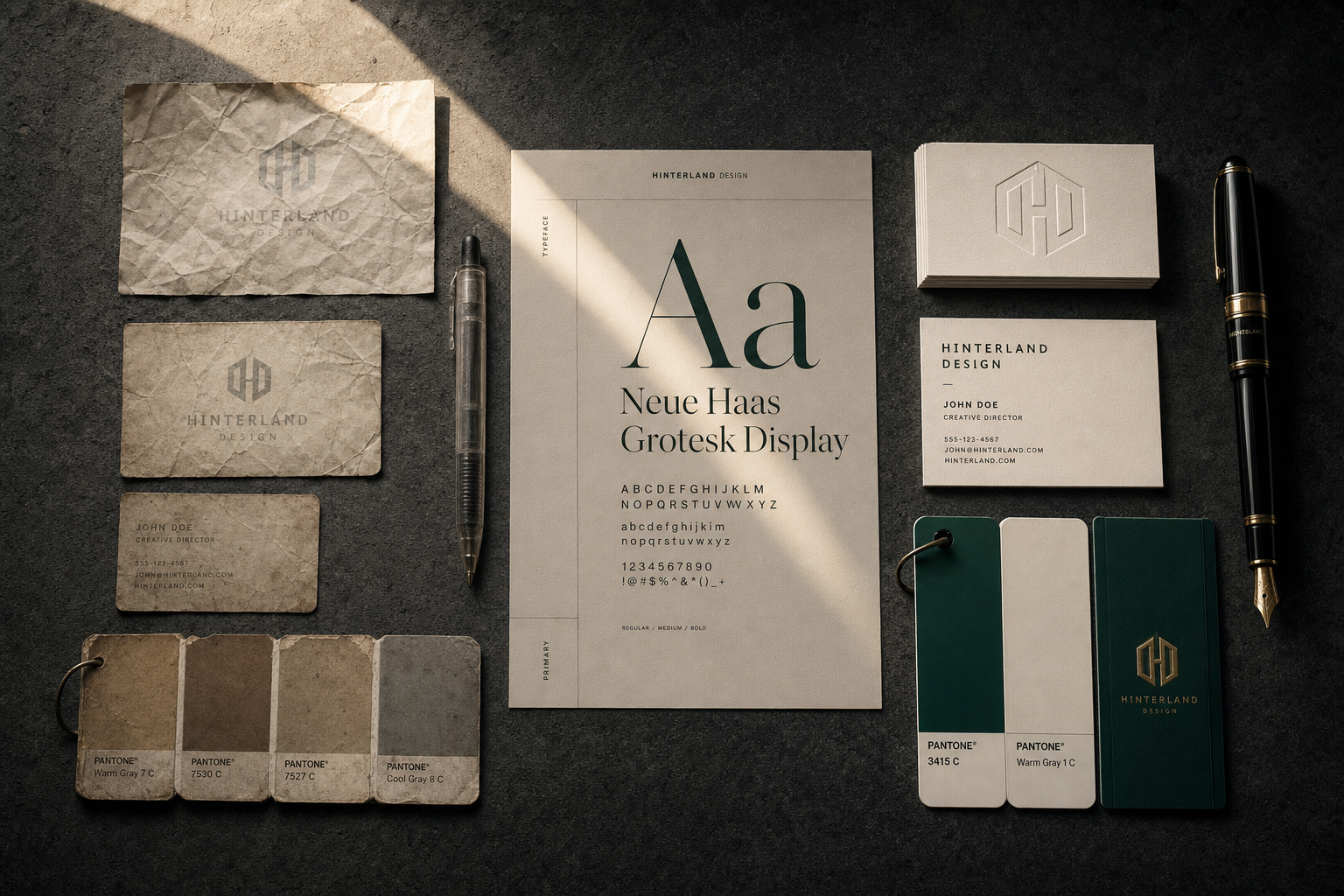
A redesign - done properly - delivers a brand system, not just a logo. That means colour codes, font pairings, spacing rules, logo usage guidelines, and templates. Everything your team needs to stay consistent, without having to ask every time.
3 Your Business Has Grown But Your Brand Hasn't
There's a version of your brand that was perfect for where you started. The problem is you're not there anymore.
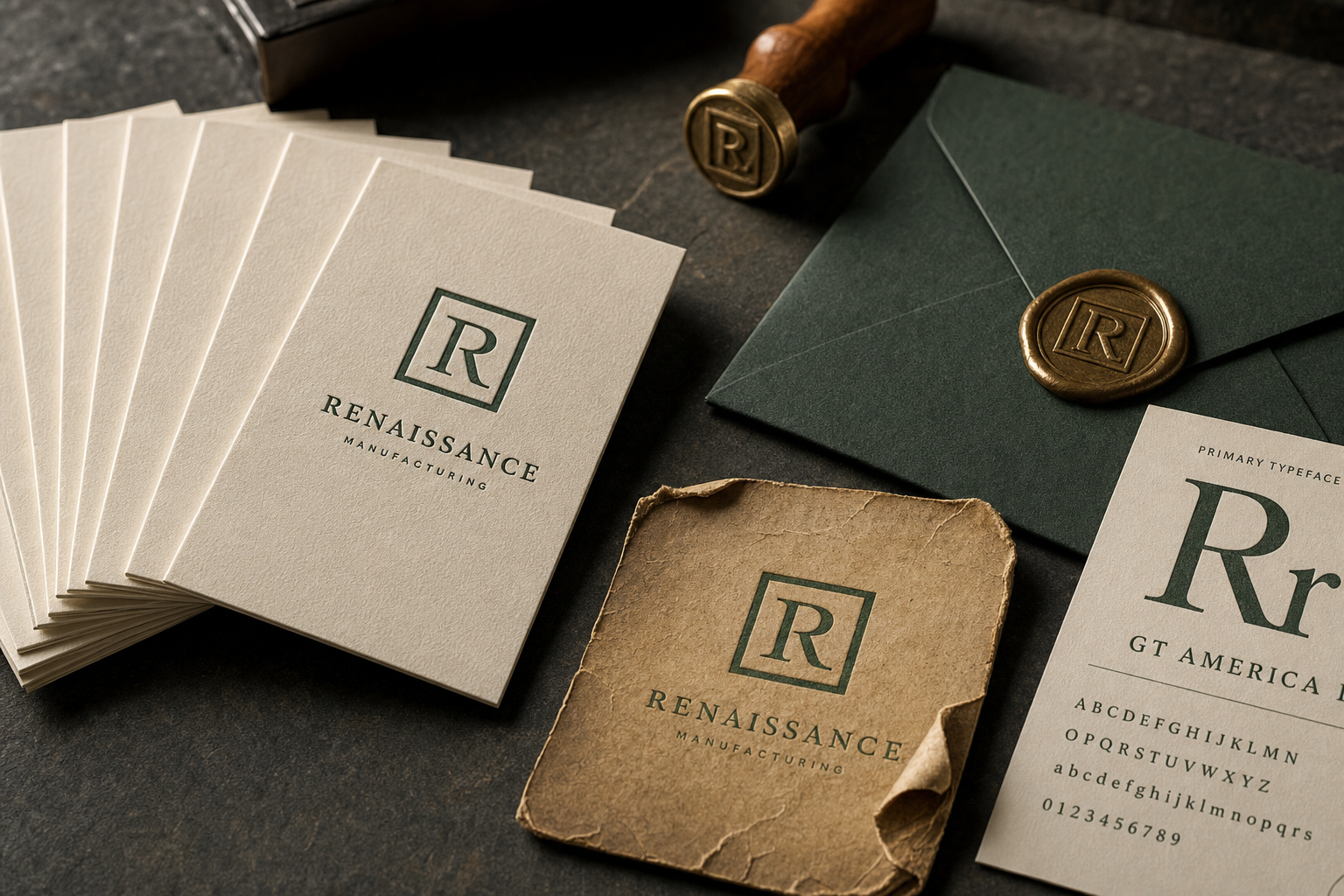
A brand that reflects who you are today earns trust before a single conversation happens.
You've raised your prices. You've moved upmarket. You're targeting a different client now - larger businesses, international buyers, premium-tier customers. But your brand still looks like it belongs to the version of you that was starting out. That mismatch costs you deals you never even know you lost.
Premium clients make subconscious decisions based on visual signals. If your brand communicates "scrappy startup" and your service is priced for "established professional," those two things don't reconcile in the client's mind. They either question your price or question your legitimacy. Either way, you lose.
Your brand should reflect who you are now - not who you were when you launched. If you have outgrown your identity, that is not a problem. It is a sign of progress. The redesign is just the next chapter.
4 You're Losing to Competitors Who Look Better
This one is difficult to admit, but it's worth sitting with for a moment.
You know the competitor I'm talking about. They're not necessarily better at what they do. They might charge more. Their product might be comparable or even inferior. But their website is clean and confident. Their social media looks intentional. Their proposals look polished. And somehow - despite everything - they keep winning clients you expected to win.
Design is not superficial. It is the packaging of trust. In a market where prospects often choose between multiple options before they've spoken to anyone, the business that looks most credible wins the first conversation. The first conversation wins the relationship. The relationship wins the sale.
- Prospects judge your credibility by how your brand looks before they've heard your pitch
- A polished visual identity signals that you take your work - and your clients - seriously
- Premium design communicates premium service before you've said a word
- Outdated branding signals that you may also be behind in other areas
You do not have to be the biggest business in your industry. But you do have to look like you belong at the table you're trying to sit at.
5 Your Target Market Has Shifted
Sometimes a redesign isn't about fixing something broken - it's about aligning your brand with where you're going, not where you've been.
If you launched targeting one type of client and your strategy has evolved - new industries, new geographies, new price points - your brand needs to evolve with it. A brand built to attract budget-conscious local clients will actively repel premium international ones. Not because the logo is wrong. Because the entire visual language - the colours, the typography, the photography style, the tone - communicates a specific audience and a specific positioning.
This is particularly relevant for South African businesses looking to attract US or UK clients. International buyers are sophisticated. They evaluate your digital presence as a proxy for your business standards. A brand that was built for a domestic audience, at a domestic price point, will immediately feel wrong to an international eye - even if they can't explain exactly why.
A strategic rebrand for an international market considers not just aesthetics, but positioning, messaging, and the specific trust signals that matter to your new target audience.
What Happens After You Recognise the Signs?
Recognising that your brand needs work is the honest part. The next question is: what kind of work does it actually need?
Not every situation calls for a full rebrand. Sometimes a brand refresh - updating the logo, modernising the colour palette, establishing cleaner typography - is enough to bring things current without losing the equity you've built. Other times, especially when positioning has fundamentally shifted, a full brand strategy and identity rebuild is the right call.
The starting point is always the same: an honest audit of where your brand sits today versus where you need it to be. That gap tells you the scope of the work.
If you saw yourself in more than two of the five signs above, the gap is probably wider than a quick logo update can close. And the longer you wait, the more business that gap costs you.
Frequently Asked Questions
How do I know if my brand needs a redesign?
Key signs include: your logo looks outdated compared to competitors, your branding is inconsistent across platforms, you feel embarrassed sharing your website or business card, your target market has shifted, or your business has grown but your brand hasn't kept up. If two or more of these apply, a redesign conversation is worth having.
How much does a brand redesign cost in South Africa?
A professional brand redesign in South Africa typically ranges from R15,000 to R80,000 depending on scope - covering logo, colour system, typography, brand guidelines and collateral. At Lets Make Progress, packages start from R18,000 for a full brand identity.
How long does a brand redesign take?
A focused brand redesign typically takes 4 to 8 weeks from discovery to final delivery. Larger projects that include website redesigns alongside the brand identity can run 8 to 16 weeks.
Will a brand redesign hurt my existing brand recognition?
A well-executed redesign preserves what works - your brand equity, core values and audience recognition - while resolving what doesn't. The risk of doing nothing is greater: an outdated brand erodes trust faster than a thoughtful refresh.